
Alexa Master History: From Early Software to a Growing Digital Community
Alexa Master History is a story of steady growth, technical learning, and community-driven evolution. What started as early experimentation with traffic-related software eventually became a global online community focused on digital growth, freelancing, and practical marketing knowledge.


2006–2011: Early Research and Software Experiments
Between 2006 and 2011, the groundwork was laid through intensive research and software development aimed at increasing web traffic. During this phase, the developer focused on off-site SEO techniques and automation tools designed to improve website rankings quickly.
This period was purely experimental and technical. The experience gained here later shaped the core logic behind Alexa Master and its traffic-related systems.
2012: A Turning Point
In 2012, a major turning point occurred when the founders of LikesASAP.com, the Markabi brothers, invited Dilantha to collaborate on their social media exchange platform. He developed custom software to support and scale their growing community.
This collaboration exposed him to real-world community management challenges and high-volume traffic systems, influencing the future direction of Alexa Master.
2013: The Birth of Alexa Master
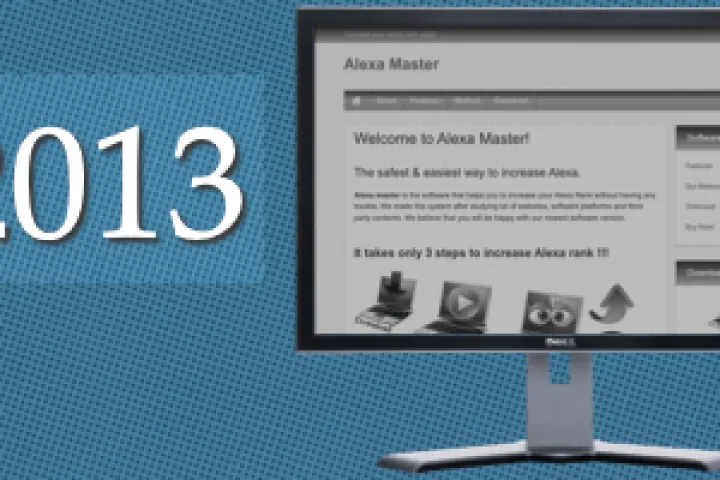
Alexa Master officially came to life in 2013. Dilantha built the first version of the Alexa Master software and began selling it through alexamaster.com. This marked the transition from behind-the-scenes development to a public-facing platform.
Key community members joined during this year, including Rose Wang, who supported early growth, and Rodica Grecu, who later became deeply involved in the project’s leadership and operations.
2014: Version 4 and the Web-Based Shift
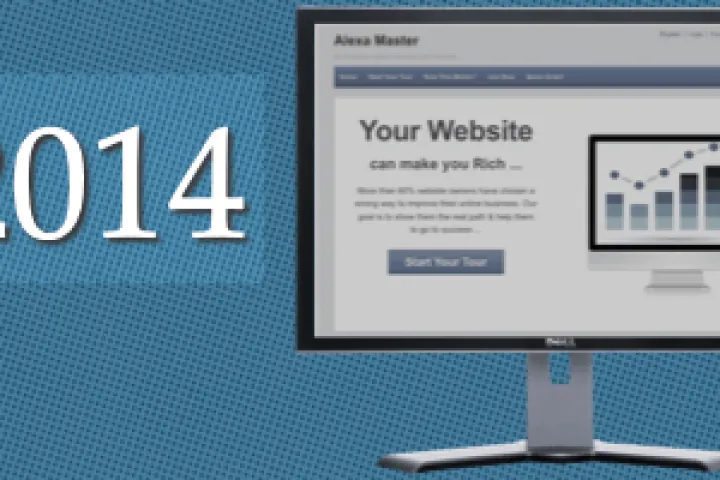
After several rapid iterations, 2014 introduced version 4 of the Alexa Master software. Cross-platform compatibility issues led to a critical decision: moving entirely to a web-based system.
This shift replaced all previous standalone versions and allowed broader access, easier updates, and a more scalable future for the platform.
2015: Leadership Changes and Domain Migration

As the Alexa Master community expanded, managing the platform alone became unsustainable. In 2015, Rodica Grecu took on leadership responsibilities across several operational areas.
Due to technical limitations, the platform migrated from alexamaster.com to alexamaster.net. This transition marked a structural and organizational change that supported continued growth.
2016: Platform Stability and Rapid Growth
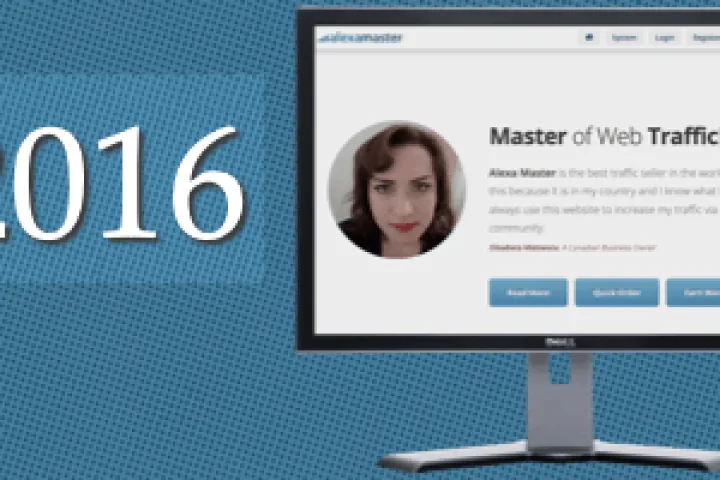
After years of instability and rebuilding, 2016 became a breakthrough year. The platform reached a stable state and began delivering consistent results for businesses seeking online visibility.
Alexa Master emerged as a strong traffic provider for small businesses, particularly those using Bu.lk web builder solutions. Community confidence and usage increased significantly.
2017: Framework Rebuild and Growing Pains

In 2017, major browser updates forced a complete framework redesign. The migration process was long and painful, lasting more than six months and introducing many bugs.
Both developers and users struggled, but the rebuilt system ultimately delivered better performance. Over time, the community adapted and grew more attached to the improved platform.
2018: Global Expansion and Hard Lessons
2018 was a year of expansion and excitement. Through mobile apps and partner networks, Alexa Master reached users worldwide. Sales increased, and the community became more diverse and active.
However, the year also included one of the largest server failures in the platform’s history. Despite this setback, the team recovered quickly and continued moving forward.
2019: Security Challenges and Community Trust
As the platform grew, misuse of freelance services became a serious issue in 2019. Some users exploited the system, leading to negative reviews and reputational damage.
In response, Alexa Master implemented stricter security measures. While this caused inconvenience for some genuine users, it was a necessary step to protect the long-term integrity of the community.
2020: Supporting the Community During the Pandemic
The global COVID-19 crisis heavily impacted users in 2020. Despite widespread difficulties, Alexa Master remained operational to support freelancers and advertisers.
Advertising fees were reduced, and payout systems were adjusted to maintain balance within the community. The focus shifted from growth to mutual support and survival.
2021: Refocusing on Freelancers and Advertisers
With unemployment rising worldwide, 2021 brought renewed focus on helping freelancers gain more exposure and sales. At the same time, businesses increasingly relied on online channels.
Alexa Master strengthened its mission to connect advertisers with skilled freelancers, aiming to create value for both sides through fair systems and smarter opportunities.
2022: Quality Standards Over Automated Traffic
In 2022, the rapid adoption of AI-driven analytics and stricter traffic validation systems across the web began rejecting large volumes of automated and low-quality traffic.
In response, Alexa Master made a difficult but deliberate decision to gradually reduce autosurf traffic and remove low-quality user activity. While this affected frequent buyers in the short term, the developer chose to align the platform with international quality standards rather than prioritize short-term profit.
2023: Real Conversion Services and User Resistance
During 2023, several new traffic and promotion services were introduced with a focus on real conversions, user intent, and measurable outcomes.
Despite their effectiveness, adoption was slower than expected. Many users resisted these services due to their complexity and the shift away from familiar automated traffic models.
2024: Autosurf Downgrade and Infrastructure Strain
In 2024, autosurf functionality was heavily downgraded as part of the long-term quality transition. This change significantly reduced raw traffic volumes.
At the same time, legacy systems faced repeated failures caused by heavy data loads and limited infrastructure. Multiple recovery attempts were made, but recurring crashes highlighted the need for a more resilient solution.
To stabilize operations, the developer introduced a fallback platform designed to handle critical functions while long-term fixes were planned.
2025: Rebuilding for Legacy Users
As older platforms were phased down, many long-time users temporarily lost access to services they depended on. In 2025, development began on a new platform specifically designed to support these legacy users.
Merging data, balances, and workflows from multiple systems proved complex and time-consuming. The transition process was critical and painful, taking several months to complete, but it was necessary to preserve continuity and fairness.
2026: A Marketplace Built on Intent and Results
By 2026, Alexa Master completed its transformation. The platform was no longer dependent on outdated web traffic models.
Instead, it evolved into a results-focused marketplace connecting advertisers with hundreds of thousands of skilled freelancers. The emphasis shifted fully toward intention-based promotion, genuine engagement, and solid outcomes—creating sustainable value without compromising trust between users.
Alexa Master strengthened its mission to connect advertisers with skilled freelancers, aiming to create value for both sides through fair systems and smarter opportunities.
From early traffic software experiments to a resilient global community, Alexa Master History reflects real challenges, constant adaptation, and long-term learning. Each stage contributed to building a platform shaped by experience, transparency, and a commitment to helping its users grow online.